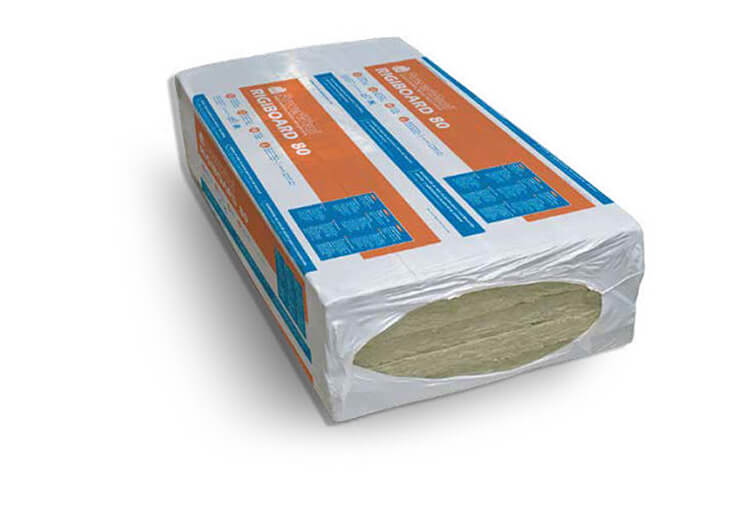
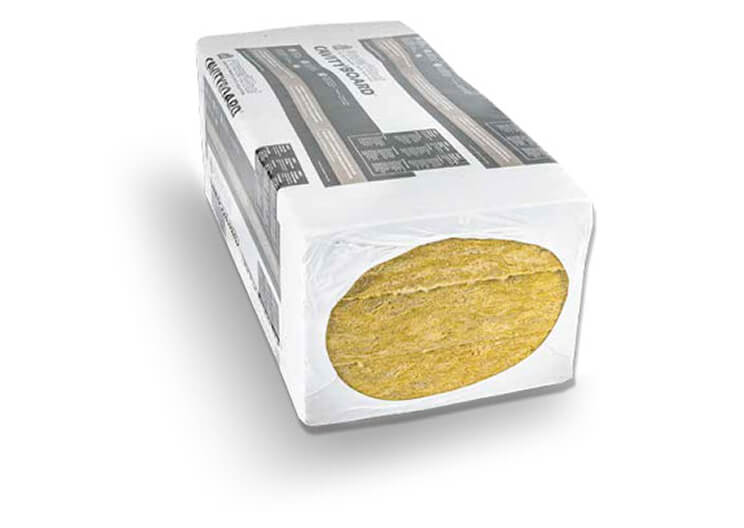
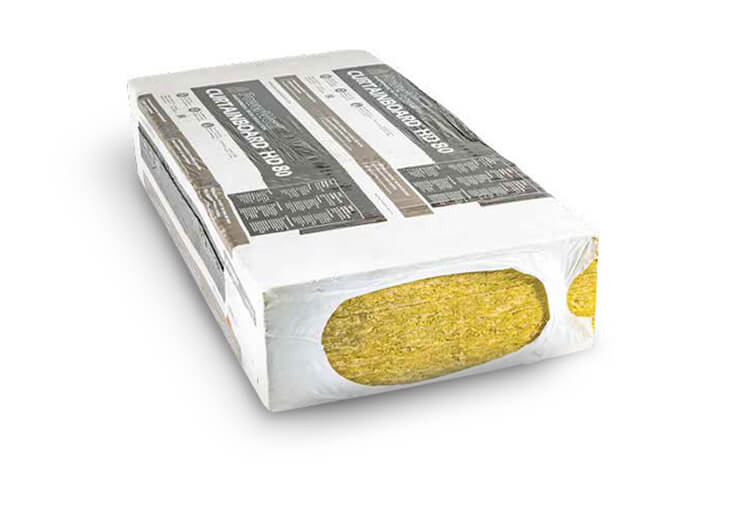
Mineral wool acoustic insulation has become essential in commercial and multifamily construction where sound control is a priority. As buildings grow denser and interior environments become more complex, designers rely on mineral wool acoustic insulation to manage airborne and impact sound effectively. This material has emerged as a preferred solution because of its density, fiber structure, and ability to maintain acoustic performance over time.
Mineral wool’s acoustic properties stem from its interlocking fiber matrix. Sound waves entering the material encounter a network of fibers that disrupt and dissipate energy. This reduces sound transmission through wall cavities, spandrel zones, and floor assemblies. The material’s density also contributes to its ability to absorb low frequency noise, which is often the most difficult to control in large buildings. Assemblies typically earn ratings based on Sound Transmission Class (STC) testing standards. Beyond acoustic control, mineral wool also provides exceptional mineral wool fire resistance that meets stringent building code requirements for life safety.
Figure 1: Mineral wool placement within a typical wall cavity for acoustic control
Mineral Wool Acoustic Insulation in Wall and Façade Assemblies
In demising walls, mineral wool helps reduce airborne sound transmission by absorbing energy within the cavity. This is especially important in multifamily buildings where privacy and comfort depend on limiting noise transfer between units. The International Building Code establishes minimum sound isolation requirements for these applications. Mineral wool’s density allows it to fill the cavity without sagging, which ensures consistent coverage from floor to ceiling.
In curtain wall systems, mineral wool is often installed behind spandrel panels to reduce noise entering the building from exterior sources. Traffic noise, mechanical equipment, and wind driven sound can all be mitigated by a dense insulation layer. Installers working in these conditions often note that mineral wool’s rigidity helps maintain uniform contact with the back of the spandrel panel, which improves acoustic performance. The same density that absorbs sound energy also delivers thermal performance in building enclosures by reducing heat transfer through the assembly.
Mineral wool acoustic insulation helps reduce airborne sound transmission by absorbing energy within the cavity.
Figure 2: Mineral wool behind curtain wall spandrel panels for exterior noise reduction
Installer Insights on Mineral Wool Acoustic Insulation
Installers frequently encounter conditions where maintaining consistent insulation coverage is essential for acoustic control. Mineral wool’s rigidity helps prevent voids that could compromise performance. When cutting boards to fit around penetrations or irregular framing, installers often use long serrated knives to maintain clean edges. This helps ensure that the insulation fits tightly against adjacent components. Consistent coverage depends on proper mineral wool installation techniques that maintain tight joints and prevent voids in the cavity.
In tall wall cavities, mineral wool’s density prevents slumping over time. Installers appreciate that once the material is friction fit into place, it remains stable even before gypsum board or façade components are installed. This stability reduces the need for temporary supports or additional fastening.
Mineral wool acoustic insulation’s rigidity helps prevent voids that could compromise sound control performance.
Figure 3: Installer technique for maintaining cavity continuity in tall wall assemblies
Coordinating Mineral Wool Acoustic Insulation With Other Elements
Acoustic performance depends on more than insulation alone. Sealants, resilient channels, and air barrier continuity all influence the final result. The Gypsum Association provides detailed guidance on resilient channel installation for optimal acoustic performance. Mineral wool’s predictable behavior helps installers coordinate with these elements. Because the material does not compress excessively, it maintains the spacing required for resilient channels and other acoustic components. This helps ensure that the assembly performs as designed. The material’s vapor-open structure also supports moisture management capabilities while maintaining acoustic performance over time.
Conclusion
Mineral wool acoustic insulation provides reliable sound control in a wide range of building assemblies. The density and fiber structure of mineral wool acoustic insulation make it a dependable material for controlling both airborne and impact sound.